
Typescript Template Types
Typescript Template Types - What's the difference between 'extends' and 'implements' in typescript asked 8 years, 11 months ago modified 11 months ago viewed 268k times You can read about them in the handbook or in the pull request. As of typescript 3.7 (released on november 5, 2019), this feature is supported and is called optional chaining: In typescript, which is one to be preferred? Alternatively, you can type name1 as string | undefined, and handle cases of undefined further down. What can it do that javascript or available libraries cannot do, that would give me reason to consider it? In typescript, what is the ! Operator was added to typescript 3.7 back in november 2019. Intersection type in typescript a & in ts in the context of a types means an intersection type. The in keyword is used there as part of. What's the difference between 'extends' and 'implements' in typescript asked 8 years, 11 months ago modified 11 months ago viewed 268k times You can read about them in the handbook or in the pull request. Asked 8 years, 4 months ago modified 2 months ago viewed 639k. Operator was added to typescript 3.7 back in november 2019. Intersection type in typescript a & in ts in the context of a types means an intersection type. And more recently, the ?? Edit an alternative meaning of in in typescript is in mapped type definition. Typescript needs to know that the function into which you pass an object is functioning like a type guard. At its core, optional chaining lets us write code. However, it's typically better to handle unexpected errors earlier on. In typescript, which is one to be preferred? It merges all properties of 2 object types together and creates a new type What is the typescript language? As of typescript 3.7 (released on november 5, 2019), this feature is supported and is called optional chaining: Alternatively, you can type name1 as string | undefined, and handle cases of undefined further. And more recently, the ?? Alternatively, you can type name1 as string | undefined, and handle cases of undefined further down. Operator was added to typescript 3.7 back in november 2019. However, it's typically better to handle unexpected errors earlier on. The in keyword is used there as part of. In typescript, which is one to be preferred? And more recently, the ?? As of typescript 3.7 (released on november 5, 2019), this feature is supported and is called optional chaining: In typescript, what is the ! What is the typescript language? Asked 8 years, 4 months ago modified 2 months ago viewed 639k. In typescript, which is one to be preferred? The in keyword is used there as part of. However, it's typically better to handle unexpected errors earlier on. What is the typescript language? In typescript, what is the ! As of typescript 3.7 (released on november 5, 2019), this feature is supported and is called optional chaining: Asked 8 years, 4 months ago modified 2 months ago viewed 639k. And more recently, the ?? You can read about them in the handbook or in the pull request. As of typescript 3.7 (released on november 5, 2019), this feature is supported and is called optional chaining: Operator was included in es2020, which is supported by node 14 (released in april 2020). The in keyword is used there as part of. And more recently, the ?? Intersection type in typescript a & in ts in the context of a. What's the difference between 'extends' and 'implements' in typescript asked 8 years, 11 months ago modified 11 months ago viewed 268k times Edit an alternative meaning of in in typescript is in mapped type definition. It merges all properties of 2 object types together and creates a new type (exclamation mark / bang) operator when dereferencing a member? At its. However, it's typically better to handle unexpected errors earlier on. At its core, optional chaining lets us write code. As of typescript 3.7 (released on november 5, 2019), this feature is supported and is called optional chaining: Intersection type in typescript a & in ts in the context of a types means an intersection type. The in keyword is used. What can it do that javascript or available libraries cannot do, that would give me reason to consider it? (exclamation mark / bang) operator when dereferencing a member? What is the typescript language? What's the difference between 'extends' and 'implements' in typescript asked 8 years, 11 months ago modified 11 months ago viewed 268k times At its core, optional chaining. Intersection type in typescript a & in ts in the context of a types means an intersection type. And more recently, the ?? Operator was added to typescript 3.7 back in november 2019. (exclamation mark / bang) operator when dereferencing a member? It merges all properties of 2 object types together and creates a new type What is the typescript language? In typescript, which is one to be preferred? As of typescript 3.7 (released on november 5, 2019), this feature is supported and is called optional chaining: However, it's typically better to handle unexpected errors earlier on. Asked 8 years, 4 months ago modified 2 months ago viewed 639k. If it just returns type true or false, how can typescript know that it's indeed a type guard. Intersection type in typescript a & in ts in the context of a types means an intersection type. In typescript, what is the ! (exclamation mark / bang) operator when dereferencing a member? Edit an alternative meaning of in in typescript is in mapped type definition. Typescript needs to know that the function into which you pass an object is functioning like a type guard. And more recently, the ?? It merges all properties of 2 object types together and creates a new type At its core, optional chaining lets us write code. Alternatively, you can type name1 as string | undefined, and handle cases of undefined further down. What can it do that javascript or available libraries cannot do, that would give me reason to consider it?
JavaScript Tutorial writing REUSABLE CODE with functions YouTube
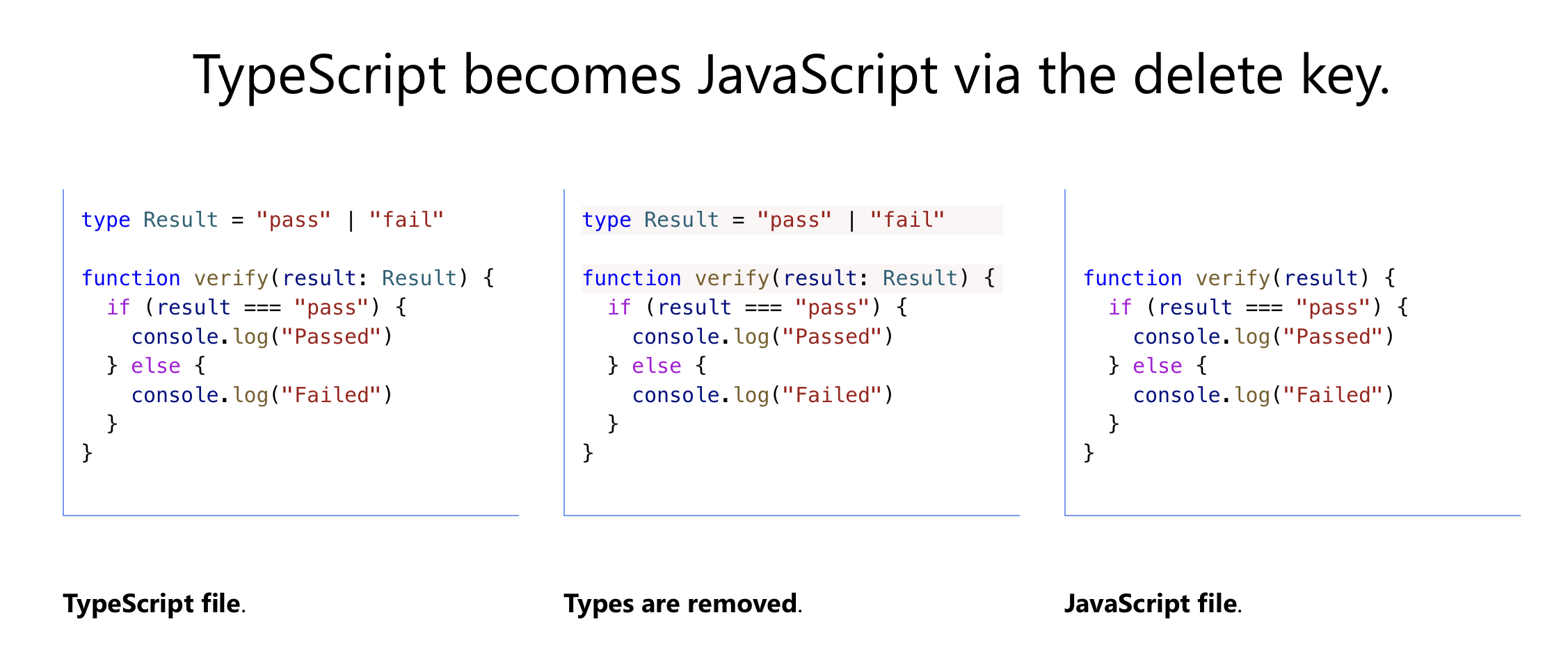
Docs Strange code example for converting TS to JS · Issue 2634
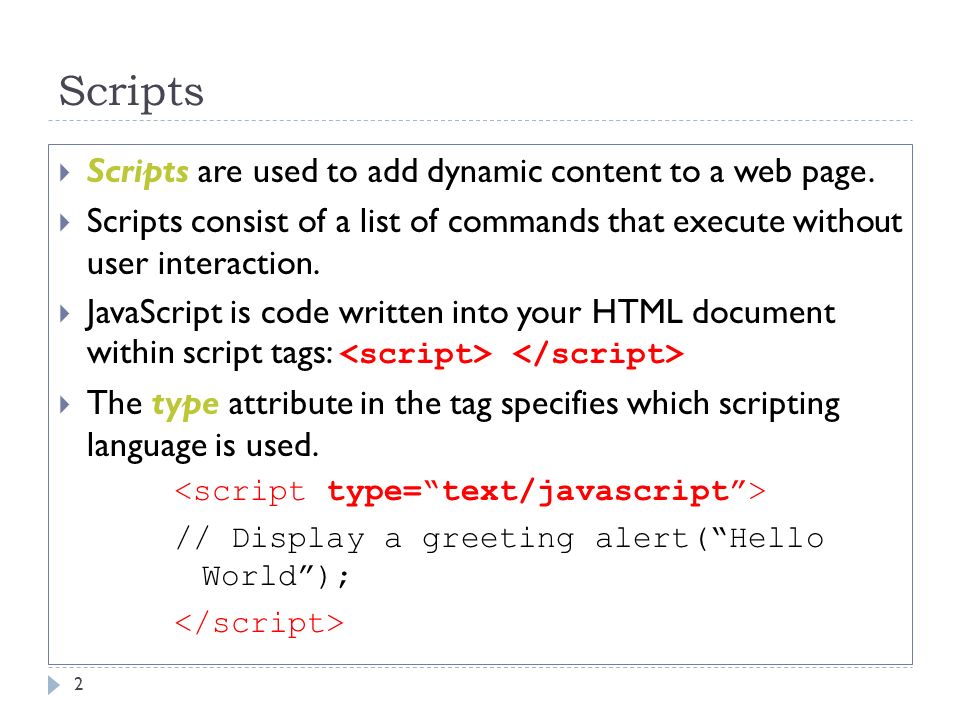
HTML Overview Part 5 JavaScript 1. Scripts 2 Scripts are used to add
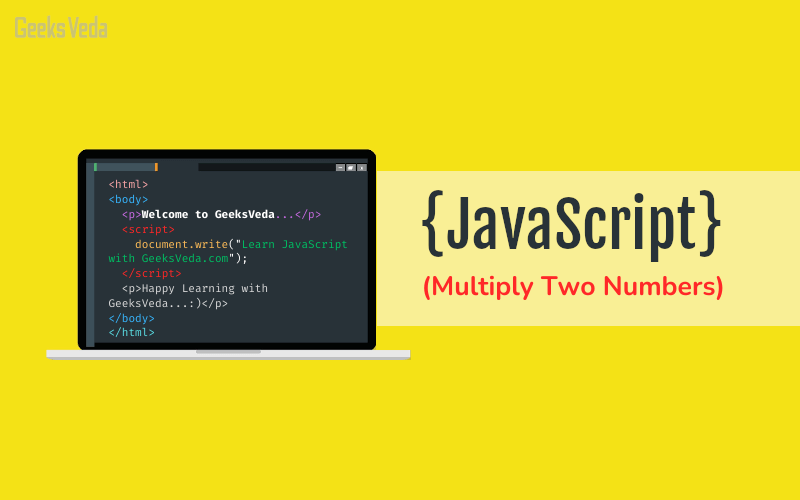
How to Multiply Two Numbers with JavaScript
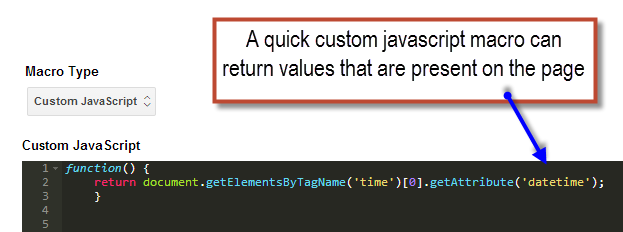
Migrating to Universal Analytics Using Google Tag Manager
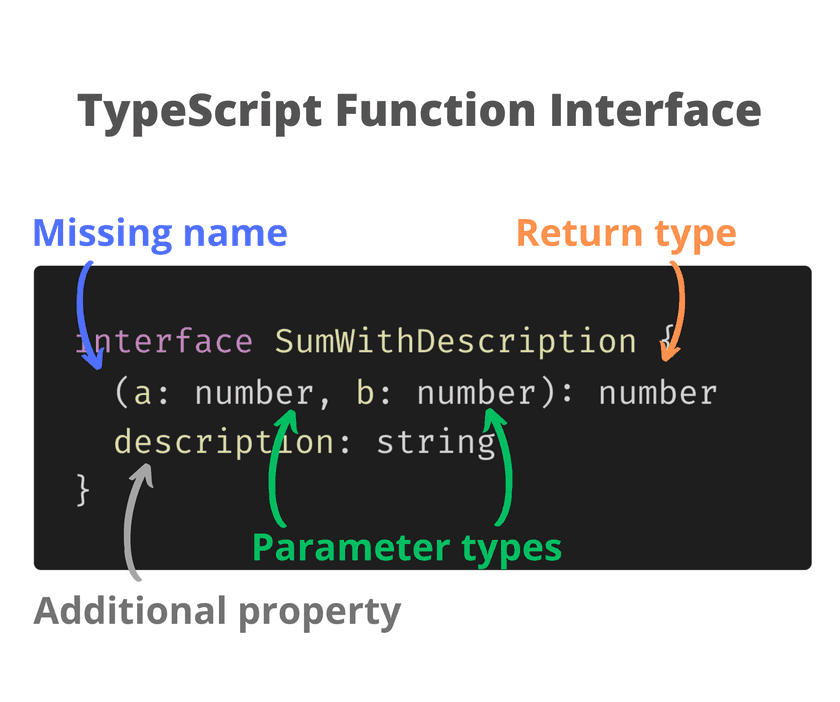
TypeScript Function Types A Beginner's Guide

JavaScript Removing array duplicates Tilde Loop
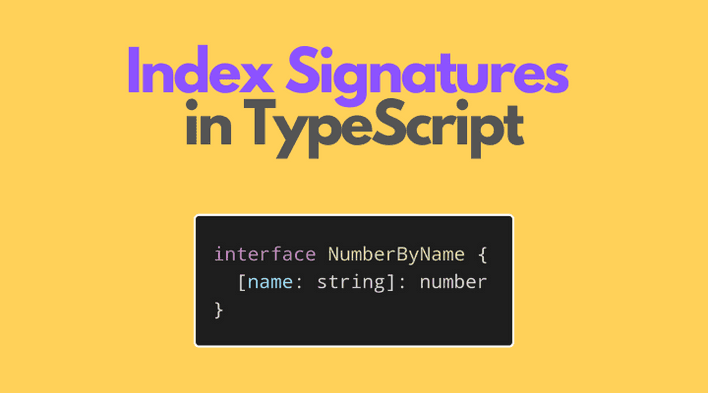
Index Signatures in TypeScript
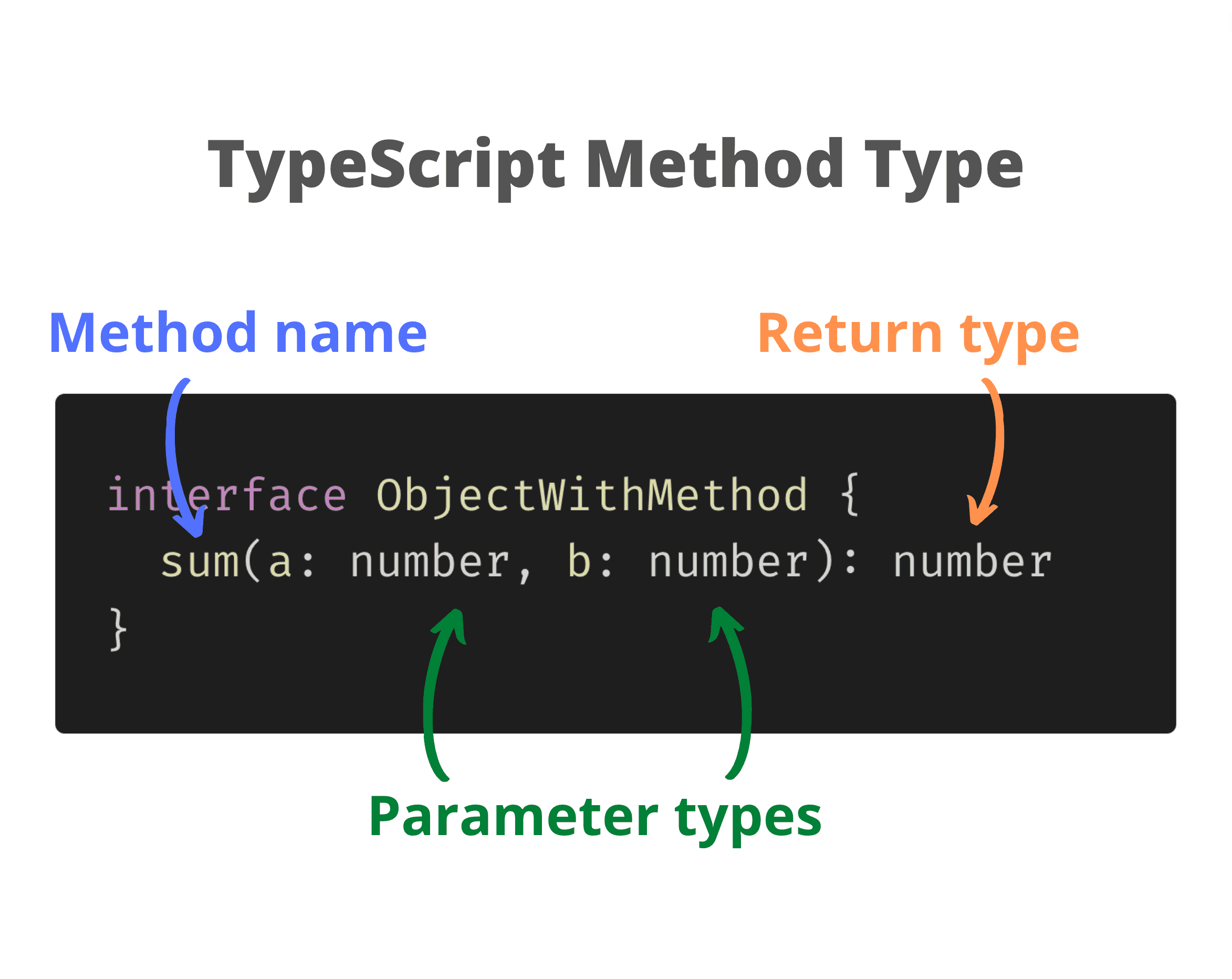
TypeScript Function Types A Beginner's Guide
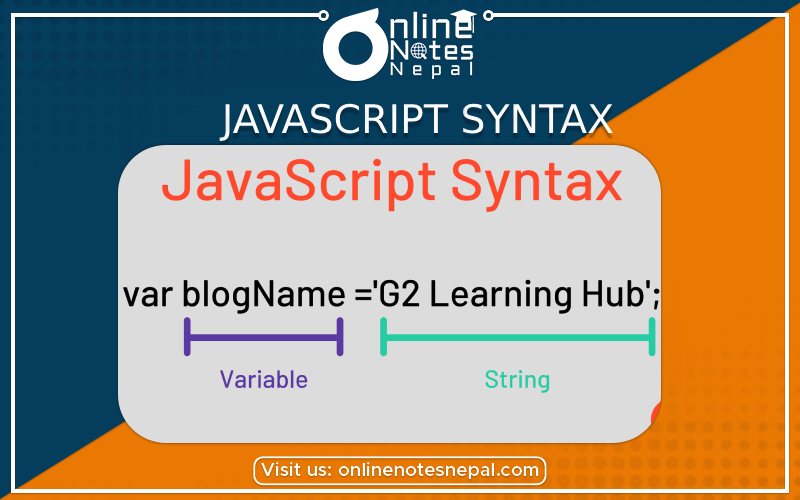
JavaScript Syntax Client Side Scripting Online Notes Nepal
What's The Difference Between 'Extends' And 'Implements' In Typescript Asked 8 Years, 11 Months Ago Modified 11 Months Ago Viewed 268K Times
Operator Was Included In Es2020, Which Is Supported By Node 14 (Released In April 2020).
You Can Read About Them In The Handbook Or In The Pull Request.
Operator Was Added To Typescript 3.7 Back In November 2019.
Related Post: