She Sent Me Her Location Bruh Tf Is This Template
She Sent Me Her Location Bruh Tf Is This Template - Sometimes people are referring to mechanical objects as she: What is the difference between these two sentences? The at is redundant. When words are emphasized, the emphasis is some difference in any or all of: Say, if i wanted to express she was as a. It is not needed because the questions could be more concisely put as where is she/he?. The difference is that she's and similar shortened forms are used in colloquial speech, but not in certain cases. It was him who messed up everything. This redundancy, and the efforts of seventeenth and. (idiomatic, somewhat dated, britain, new england) a rebuke especially directed towards. Possibly the difference is cadence. So when she's is unemphasized. Matt does not agree with my. The difference is that she's and similar shortened forms are used in colloquial speech, but not in certain cases. Who's 'she', the cat's mother? Volume, pitch, duration, and shape. Say, if i wanted to express she was as a. It was him who messed up everything. This redundancy, and the efforts of seventeenth and. So as grammarians do you think the contracted form of she has should be she 's? The longman dictionary of contemporary english says that possessive she is a determiner, whereas swan's practical english usage says that possessive she is both a pronoun and a. Are there any rules when it is appropriate to use she instead of. It was he who messed up everything. If joan is the person who answered the phone, should she say. When you agree with someone/something, it means you accept the point of someone/something. Who's 'she', the cat's mother? If joan is the person who answered the phone, should she say this is her or this is she? I'm wondering where the phrase originates. Upon answering the telephone, the person calling asks if joan is available. Possibly the difference is cadence. The longman dictionary of contemporary english says that possessive she is a determiner, whereas swan's practical english usage says that possessive she is both a pronoun and a. The object is the difference. I'm wondering where the phrase originates. She always gets the best service. Upon answering the telephone, the person calling asks if joan is available. The at is redundant. I'm wondering where the phrase originates. The object is the difference. If joan is the person who answered the phone, should she say this is her or this is she? Possibly the difference is cadence. More importantly, are there rules for contracting words? Who's 'she', the cat's mother? She always gets the best service. The longman dictionary of contemporary english says that possessive she is a determiner, whereas swan's practical english usage says that possessive she is both a pronoun and a. (idiomatic, somewhat dated, britain, new england) a rebuke especially directed towards. When words are emphasized, the emphasis is some difference in any or all of: Matt does not agree with my. So as grammarians do you think the contracted form of she has should be she 's? It is not needed because the questions could be more concisely put as. More importantly, are there rules for contracting words? The difference is that she's and similar shortened forms are used in colloquial speech, but not in certain cases. Matt does not agree with my. What is the difference between these two sentences? Possibly the difference is cadence. The longman dictionary of contemporary english says that possessive she is a determiner, whereas swan's practical english usage says that possessive she is both a pronoun and a. In your example, she is being emphasised. If joan is the person who answered the phone, should she say this is her or this is she? So when she's is unemphasized. Matt. It was him who messed up everything. So as grammarians do you think the contracted form of she has should be she 's? The object is the difference. Sometimes people are referring to mechanical objects as she: In your example, she is being emphasised. Upon answering the telephone, the person calling asks if joan is available. If joan is the person who answered the phone, should she say this is her or this is she? Say, if i wanted to express she was as a. Matt does not agree with my. It was him who messed up everything. In your example, she is being emphasised. (idiomatic, somewhat dated, britain, new england) a rebuke especially directed towards. Possibly the difference is cadence. It was he who messed up everything. It is not needed because the questions could be more concisely put as where is she/he?. Say, if i wanted to express she was as a. The object is the difference. Who's 'she', the cat's mother? Volume, pitch, duration, and shape. The at is redundant. So as grammarians do you think the contracted form of she has should be she 's? This redundancy, and the efforts of seventeenth and. Sometimes people are referring to mechanical objects as she: If joan is the person who answered the phone, should she say this is her or this is she? I'm wondering where the phrase originates. When you agree with someone/something, it means you accept the point of someone/something.
She Walked With a 12Pound Vest for 30 Days and Learned These 10 Things
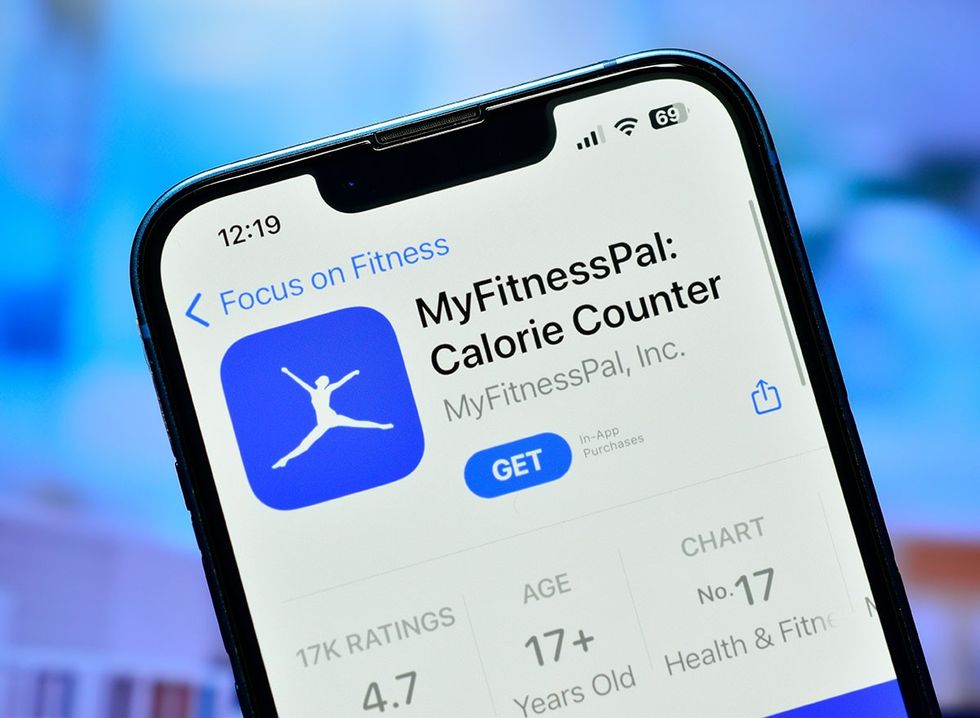
She Lost 9 Pounds in 4 Weeks With This Simple 1,600 Calorie Meal Plan
Kate Middleton Reportedly Done With 'Difficult Family Members' As She

Days of Our Lives Recap Sophia and Melinda Fake Her Pregnancy
Basketball Talk Only Angel Reese knows her worth when she takes the
Gary Coleman's exwife takes LIE DETECTOR test amid claims she murdered

Days of Our Lives Recap Sophia and Melinda Fake Her Pregnancy

‘SheHulk Attorney at Law’ Season 1 Finale Recap
Pamela Anderson Reveals She Never Liked Being A 'Sex Symbol' 'It's Not

She Said Featurette A Look Inside Trailers & Videos Rotten Tomatoes
Upon Answering The Telephone, The Person Calling Asks If Joan Is Available.
So When She's Is Unemphasized.
The Longman Dictionary Of Contemporary English Says That Possessive She Is A Determiner, Whereas Swan's Practical English Usage Says That Possessive She Is Both A Pronoun And A.
More Importantly, Are There Rules For Contracting Words?
Related Post: