
Joint Development Agreement Template
Joint Development Agreement Template - A place in your body where two bones are…. A tissue called the synovial membrane lines the joint and seals it into a joint capsule. Not all joints move, but, among those that do, motions include spinning, swinging,. Belonging to or shared between two or more people: Histological classification is based on the predominant connective tissue type. Most of the upper and lower limb joints are synovial. Joint, in humans and other animals, structure connecting two or more adjacent parts of the skeleton. A joint is an articulation between two bones in the body and are broadly classified by the tissue which connects the bones. A joint or articulation (or articular surface) is the connection made between bones, ossicles, or other hard structures in the body which link an animal's skeletal system into a functional. A joint is any place in your body where two bones meet. In anatomical terms, a joint is a structure that connects bones. Joints are thus functionally classified as a synarthrosis or immobile joint, an amphiarthrosis or slightly moveable joint, or as a diarthrosis, which is a freely moveable joint (arthroun = “to. Belonging to or shared between two or more people: A place in your body where two bones are…. A joint is a region where 2 bones make contact. A joint or articulation (or articular surface) is the connection made between bones, ossicles, or other hard structures in the body which link an animal's skeletal system into a functional. The synovial membrane secretes a clear, sticky fluid (synovial fluid) around the joint to lubricate it. Histological classification is based on the predominant connective tissue type. A tissue called the synovial membrane lines the joint and seals it into a joint capsule. A joint is any place in your body where two bones meet. A joint is a connection between two or more bones in the body that provides stability and allows for various types of movement. You have several types of joints that give your body structure and help you move. The three main types of joints are: The majority of the synovial joints are lined with hyaline cartilage, except for the temporomandibular. The three main types of joints are: Joint, in humans and other animals, structure connecting two or more adjacent parts of the skeleton. Histological classification is based on the predominant connective tissue type. A place in your body where two bones are…. A joint is a connection between two or more bones in the body that provides stability and allows. A tissue called the synovial membrane lines the joint and seals it into a joint capsule. The majority of the synovial joints are lined with hyaline cartilage, except for the temporomandibular joint which is lined. Not all joints move, but, among those that do, motions include spinning, swinging,. A joint is a region where 2 bones make contact. A joint. Belonging to or shared between two or more people: A joint is any place in your body where two bones meet. Joints are thus functionally classified as a synarthrosis or immobile joint, an amphiarthrosis or slightly moveable joint, or as a diarthrosis, which is a freely moveable joint (arthroun = “to. A tissue called the synovial membrane lines the joint. A joint is a connection between two or more bones in the body that provides stability and allows for various types of movement. A place in your body where two bones are…. The majority of the synovial joints are lined with hyaline cartilage, except for the temporomandibular joint which is lined. Joints may be classified histologically or functionally. Joint, in. A joint is an articulation between two bones in the body and are broadly classified by the tissue which connects the bones. In anatomical terms, a joint is a structure that connects bones. Joints may be classified histologically or functionally. Belonging to or shared between two or more people: A tissue called the synovial membrane lines the joint and seals. A tissue called the synovial membrane lines the joint and seals it into a joint capsule. The synovial membrane secretes a clear, sticky fluid (synovial fluid) around the joint to lubricate it. A joint is a connection between two or more bones in the body that provides stability and allows for various types of movement. Joints are thus functionally classified. The majority of the synovial joints are lined with hyaline cartilage, except for the temporomandibular joint which is lined. A joint is an articulation between two bones in the body and are broadly classified by the tissue which connects the bones. A tissue called the synovial membrane lines the joint and seals it into a joint capsule. Most of the. Joints may be classified histologically or functionally. A place in your body where two bones are…. In anatomical terms, a joint is a structure that connects bones. The majority of the synovial joints are lined with hyaline cartilage, except for the temporomandibular joint which is lined. A joint is a region where 2 bones make contact. Joints are thus functionally classified as a synarthrosis or immobile joint, an amphiarthrosis or slightly moveable joint, or as a diarthrosis, which is a freely moveable joint (arthroun = “to. Most of the upper and lower limb joints are synovial. The synovial membrane secretes a clear, sticky fluid (synovial fluid) around the joint to lubricate it. A place in your. Histological classification is based on the predominant connective tissue type. You have several types of joints that give your body structure and help you move. A tissue called the synovial membrane lines the joint and seals it into a joint capsule. A place in your body where two bones are…. Most of the upper and lower limb joints are synovial. A joint is any place in your body where two bones meet. A joint or articulation (or articular surface) is the connection made between bones, ossicles, or other hard structures in the body which link an animal's skeletal system into a functional. The three main types of joints are: The majority of the synovial joints are lined with hyaline cartilage, except for the temporomandibular joint which is lined. A joint is a connection between two or more bones in the body that provides stability and allows for various types of movement. Belonging to or shared between two or more people: Not all joints move, but, among those that do, motions include spinning, swinging,. A joint is a region where 2 bones make contact. The synovial membrane secretes a clear, sticky fluid (synovial fluid) around the joint to lubricate it. A joint is an articulation between two bones in the body and are broadly classified by the tissue which connects the bones.
Get to know your Joint ByHerbs

Synovial Joint Anatomy BioRender Science Templates
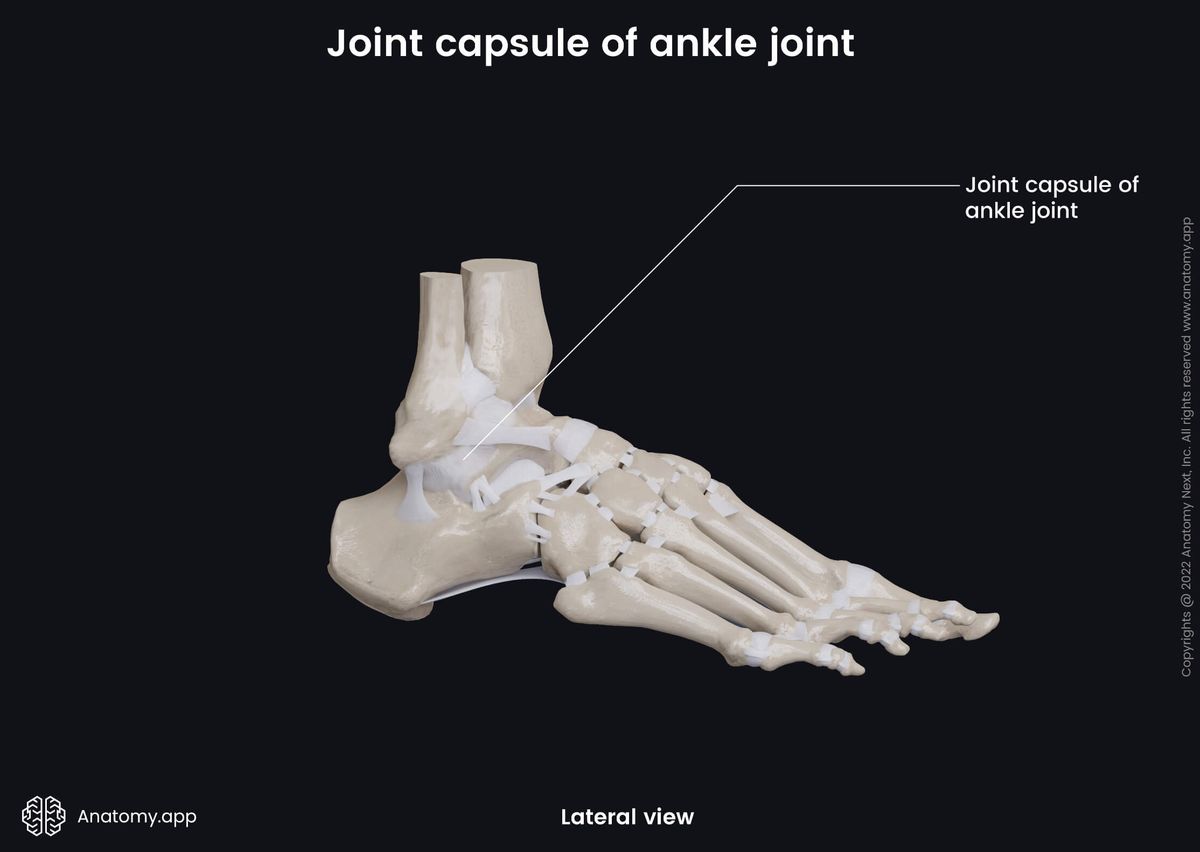
Ankle joint Encyclopedia Anatomy.app Learn anatomy 3D models

How to roll a joint Popular Science
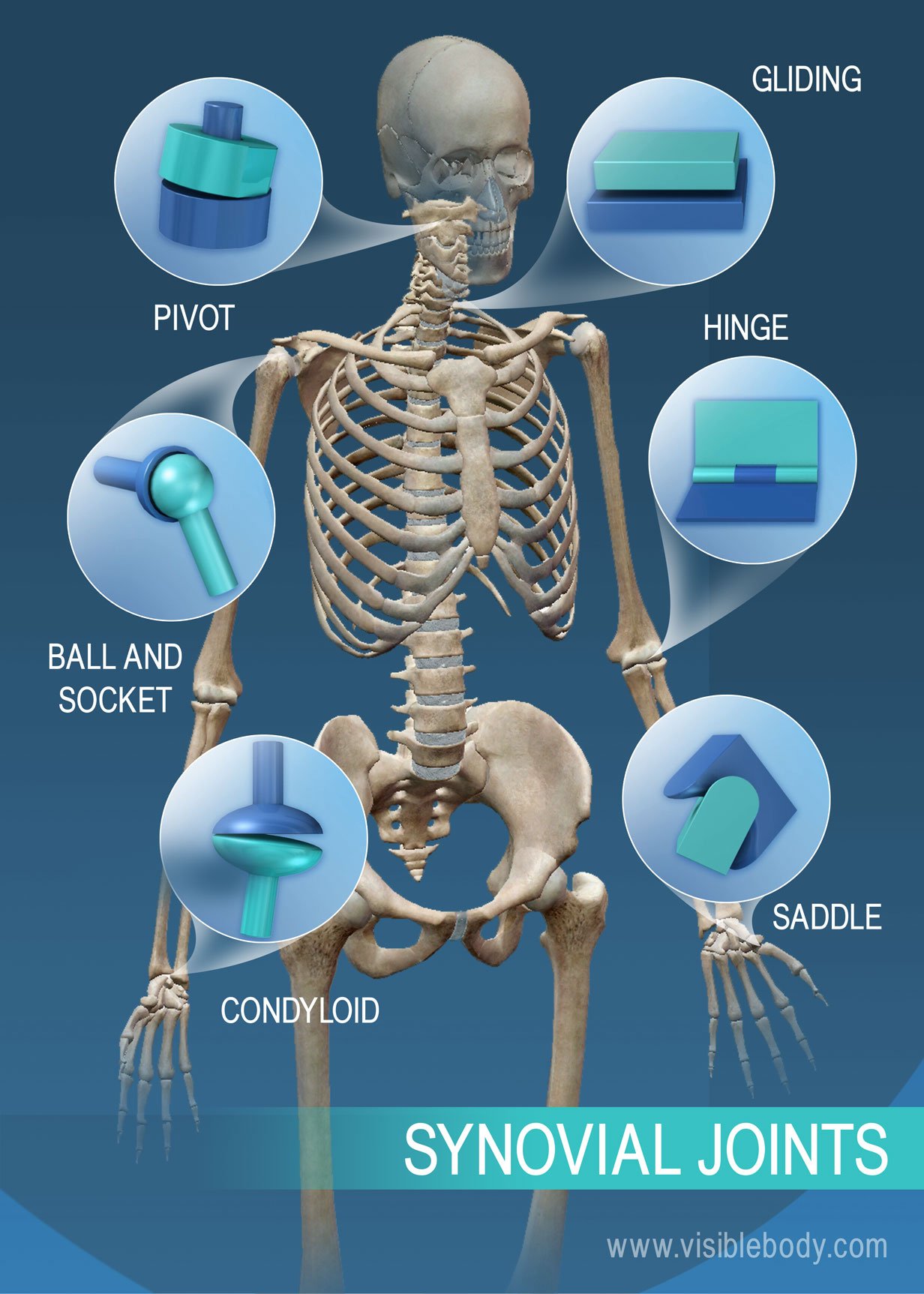
Types Of Synovial Joints Table

Joints in the Body Structures & Types What is a Joint in the Body

The Anatomy of a Joint How Joints Work and Why They Hurt Juvent Health

What Is A Joint? Pride Podiatry
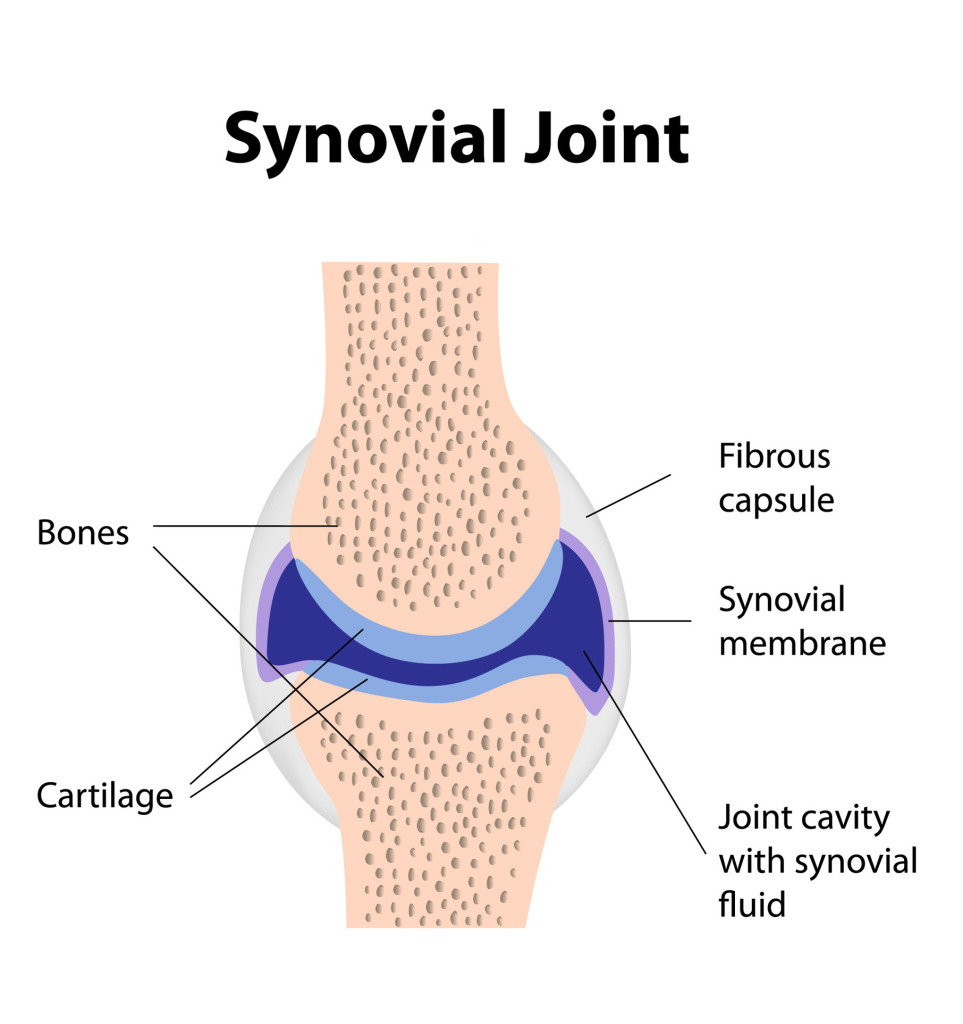
Print The Skeletal System flashcards Easy Notecards
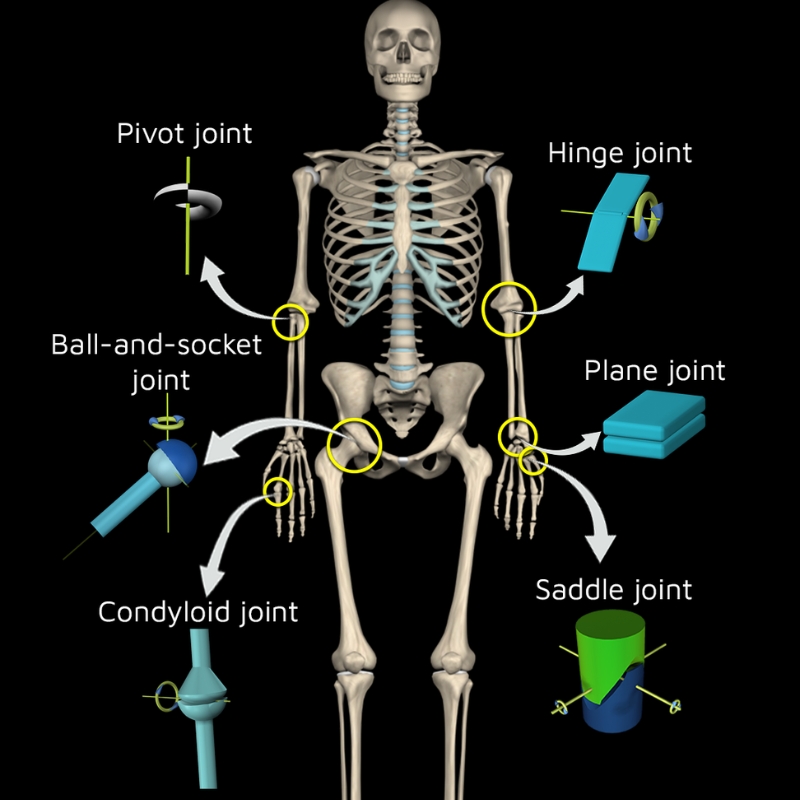
Types Of Joints vrogue.co
Joints Are Thus Functionally Classified As A Synarthrosis Or Immobile Joint, An Amphiarthrosis Or Slightly Moveable Joint, Or As A Diarthrosis, Which Is A Freely Moveable Joint (Arthroun = “To.
Joints May Be Classified Histologically Or Functionally.
Joint, In Humans And Other Animals, Structure Connecting Two Or More Adjacent Parts Of The Skeleton.
In Anatomical Terms, A Joint Is A Structure That Connects Bones.
Related Post: