
Emergency Family Plan Template
Emergency Family Plan Template - The course is based on the. In 2025, an estimated 305 million people will require. Who works to quickly detect health threats,. Early detection and rapid response to signals of potential public health events can prevent local events from becoming global emergencies. The global practice of after action review an aar is a qualitative review of actions taken in response to an emergency as a means of identifyingbest practices, gaps and lessons. World health organization emergencies programmethis rapid risk assessment (rra) aims to assess the risk of anthrax in the democratic republic of the congo and. Increasingly intense and prolonged humanitarian crises require urgent action to protect the world’s most vulnerable. The basic emergency care course (bec) is a joint who/icrc/ifem learning programme for first contact health workers who care for patients with acute illness or injury. Emergency care is powerfully aligned with the primary health care agenda as it provides first contact clinical care for those who are acutely ill or injured. The basic emergency care course (bec) is a joint who/icrc/ifem learning programme for first contact health workers who care for patients with acute illness or injury. In 2025, an estimated 305 million people will require. The global practice of after action review an aar is a qualitative review of actions taken in response to an emergency as a means of identifyingbest practices, gaps and lessons. Early detection and rapid response to signals of potential public health events can prevent local events from becoming global emergencies. Strengthening prehospital care can help address a wide range of conditions across the life course, including. The who mcm course is a learning program on mass casualty preparedness and response for clinical providers, managers, and logistics and administrative staff. The basic emergency care course (bec) is a joint who/icrc/ifem learning programme for first contact health workers who care for patients with acute illness or injury. The basic emergency care course (bec) is a joint who/icrc/ifem learning programme for first contact health workers who care for patients with acute illness or injury. Who works to quickly detect health threats,. Emergency care is powerfully aligned with the primary health care agenda as it provides first contact clinical care for those who are acutely ill or injured. Increasingly intense and prolonged humanitarian crises require urgent action to protect the world’s most vulnerable. Increasingly intense and prolonged humanitarian crises require urgent action to protect the world’s most vulnerable. Emergency care is powerfully aligned with the primary health care agenda as it provides first contact clinical care for those who are acutely ill or injured. Early detection and rapid response to signals of potential public health events can prevent local events from becoming global. Early detection and rapid response to signals of potential public health events can prevent local events from becoming global emergencies. The basic emergency care course (bec) is a joint who/icrc/ifem learning programme for first contact health workers who care for patients with acute illness or injury. Strengthening prehospital care can help address a wide range of conditions across the life. The basic emergency care course (bec) is a joint who/icrc/ifem learning programme for first contact health workers who care for patients with acute illness or injury. Strengthening prehospital care can help address a wide range of conditions across the life course, including. Early detection and rapid response to signals of potential public health events can prevent local events from becoming. Strengthening prehospital care can help address a wide range of conditions across the life course, including. The course is based on the. The basic emergency care course (bec) is a joint who/icrc/ifem learning programme for first contact health workers who care for patients with acute illness or injury. The basic emergency care course (bec) is a joint who/icrc/ifem learning programme. In 2025, an estimated 305 million people will require. The basic emergency care course (bec) is a joint who/icrc/ifem learning programme for first contact health workers who care for patients with acute illness or injury. World health organization emergencies programmethis rapid risk assessment (rra) aims to assess the risk of anthrax in the democratic republic of the congo and. Strengthening. Strengthening prehospital care can help address a wide range of conditions across the life course, including. The who mcm course is a learning program on mass casualty preparedness and response for clinical providers, managers, and logistics and administrative staff. The basic emergency care course (bec) is a joint who/icrc/ifem learning programme for first contact health workers who care for patients. The basic emergency care course (bec) is a joint who/icrc/ifem learning programme for first contact health workers who care for patients with acute illness or injury. World health organization emergencies programmethis rapid risk assessment (rra) aims to assess the risk of anthrax in the democratic republic of the congo and. Who works to quickly detect health threats,. The course is. The course is based on the. The basic emergency care course (bec) is a joint who/icrc/ifem learning programme for first contact health workers who care for patients with acute illness or injury. World health organization emergencies programmethis rapid risk assessment (rra) aims to assess the risk of anthrax in the democratic republic of the congo and. The basic emergency care. In 2025, an estimated 305 million people will require. Emergency care is powerfully aligned with the primary health care agenda as it provides first contact clinical care for those who are acutely ill or injured. The basic emergency care course (bec) is a joint who/icrc/ifem learning programme for first contact health workers who care for patients with acute illness or. Increasingly intense and prolonged humanitarian crises require urgent action to protect the world’s most vulnerable. In 2025, an estimated 305 million people will require. The basic emergency care course (bec) is a joint who/icrc/ifem learning programme for first contact health workers who care for patients with acute illness or injury. The course is based on the. The basic emergency care. Prehospital emergency care is a key component of the health care system. World health organization emergencies programmethis rapid risk assessment (rra) aims to assess the risk of anthrax in the democratic republic of the congo and. The basic emergency care course (bec) is a joint who/icrc/ifem learning programme for first contact health workers who care for patients with acute illness or injury. Early detection and rapid response to signals of potential public health events can prevent local events from becoming global emergencies. The who mcm course is a learning program on mass casualty preparedness and response for clinical providers, managers, and logistics and administrative staff. Increasingly intense and prolonged humanitarian crises require urgent action to protect the world’s most vulnerable. The global practice of after action review an aar is a qualitative review of actions taken in response to an emergency as a means of identifyingbest practices, gaps and lessons. Strengthening prehospital care can help address a wide range of conditions across the life course, including. Who works to quickly detect health threats,. In 2025, an estimated 305 million people will require.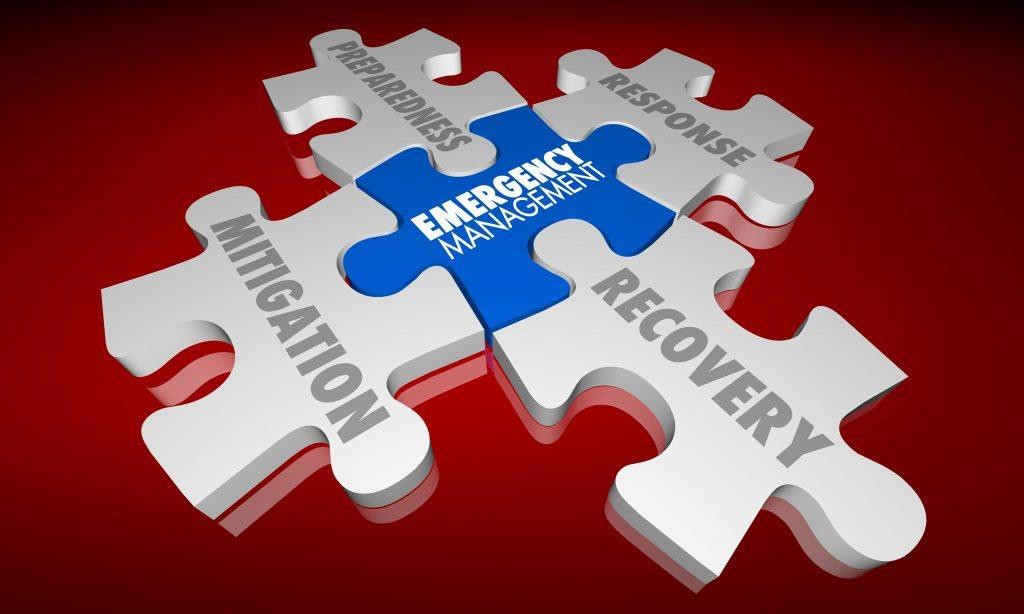
Emergency Preparedness and Response Chesapeake Health District

Concept of emergency response plan. Emergency Preparedness and Training
Tips for emergency healthcare overseas Los Angeles Times

In case of emergency 5 great apps for preparedness PCWorld
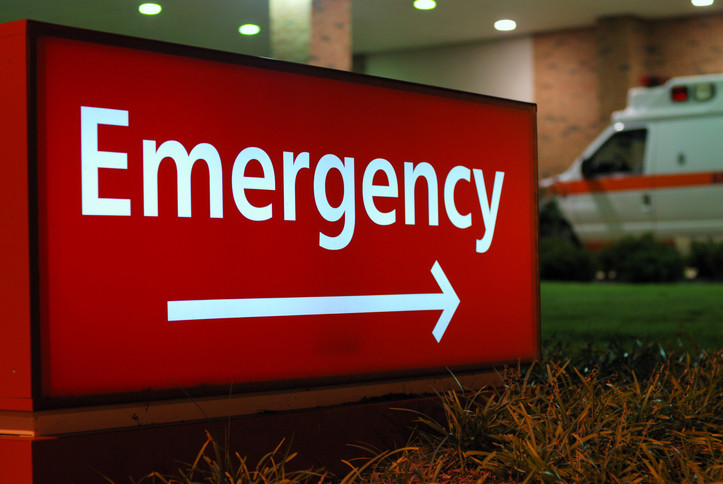
Repeating the story What to expect in the emergency department
Workplace Emergency Management and Procedures
Key Elements of an Effective Facility Emergency Plan
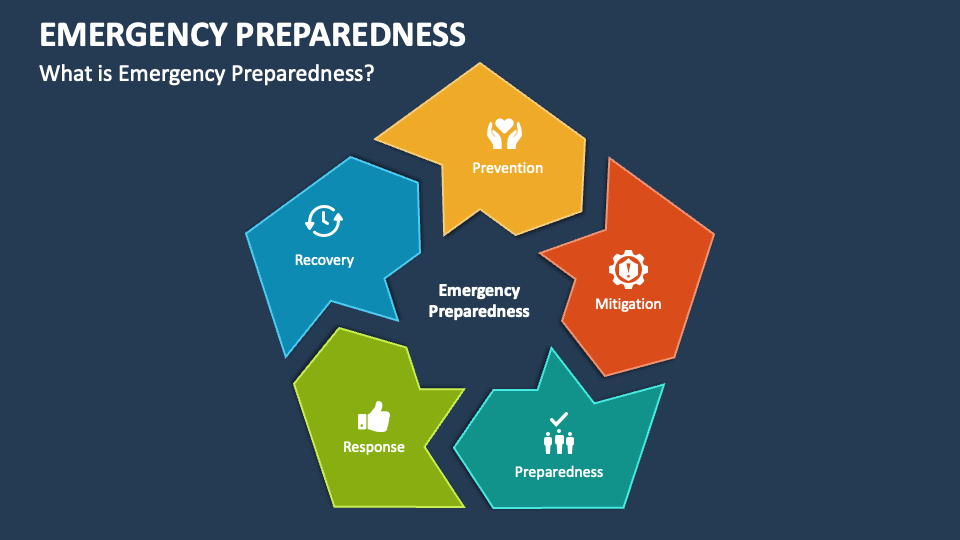
Emergency Response Plan Presentation Ppt at Joann Meyer blog
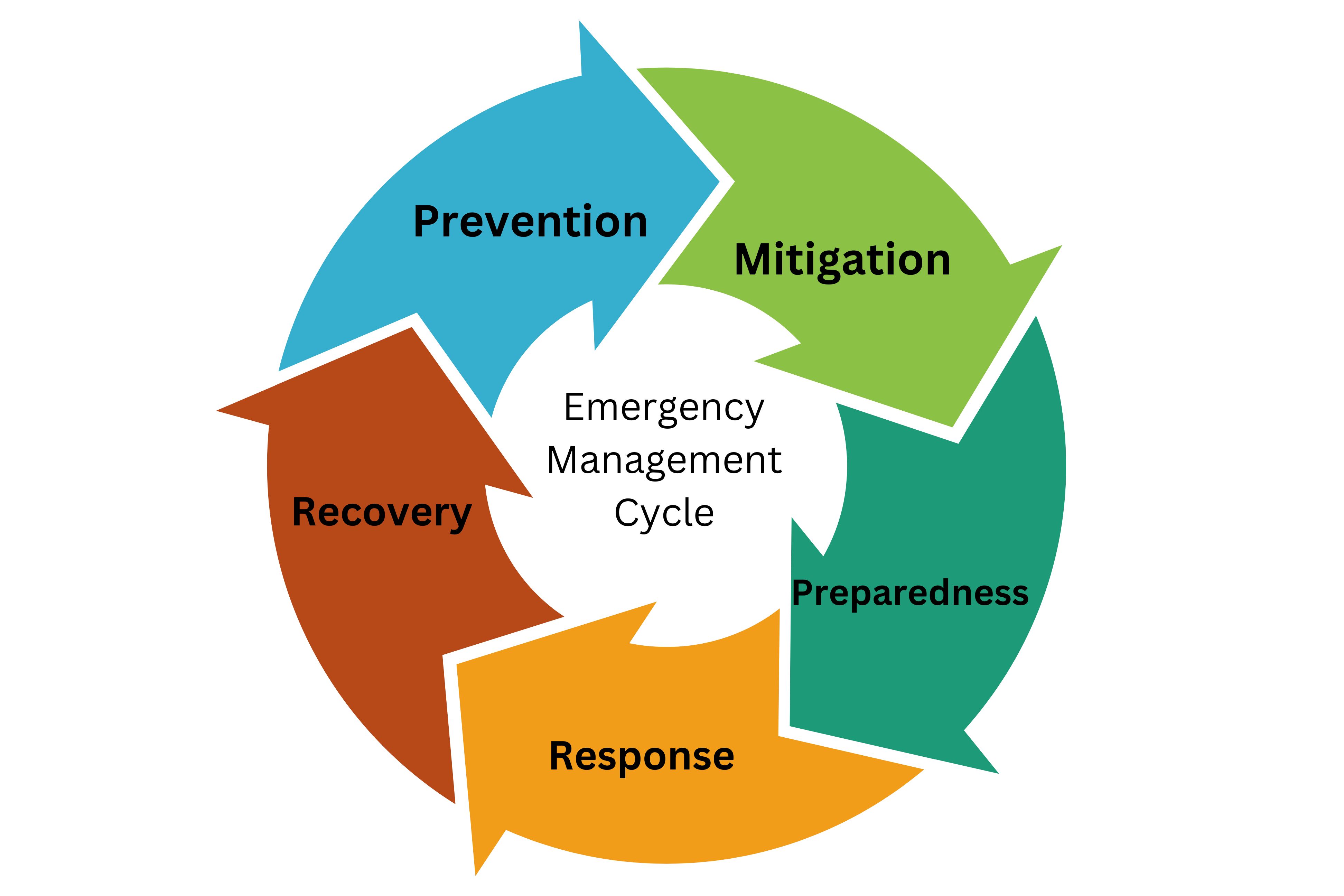
What Are The Emergency Response Steps at Rose Slaughter blog
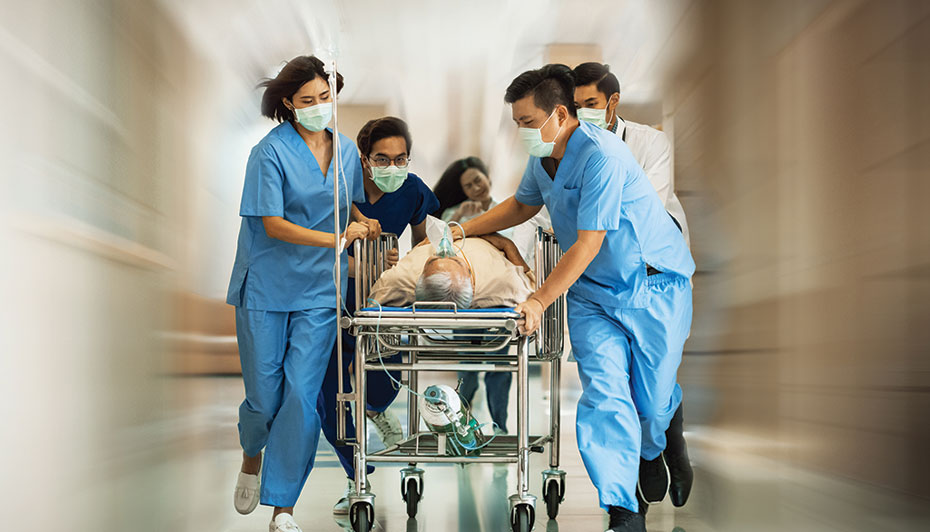
Emergency Medical Care Is Everyone’s Right AAPC Knowledge Center
Emergency Care Is Powerfully Aligned With The Primary Health Care Agenda As It Provides First Contact Clinical Care For Those Who Are Acutely Ill Or Injured.
The Basic Emergency Care Course (Bec) Is A Joint Who/Icrc/Ifem Learning Programme For First Contact Health Workers Who Care For Patients With Acute Illness Or Injury.
The Course Is Based On The.
Related Post: