
Delirium System Disorder Template
Delirium System Disorder Template - Delirium is an abrupt change in the brain that causes mental confusion. Overview delirium is a serious change in mental abilities. It is often temporary and treatable. It is characterized by an alteration of attention, consciousness, and cognition, with a reduced ability. It affects your thinking, memory, awareness and focus. Learn what it feels like, how it's treated, and why it happens. “delirium is a syndrome, not a disease,” oh clarifies, noting that it. Delirium is an altered state of consciousness, characterized by episodes of confusion, that can develop over hours or days. It may cause you to. In medical terminology, however, the core features of delirium include an acute disturbance in. The disorder usually comes on. It results in confused thinking and a lack of awareness of someone's surroundings. It is characterized by an alteration of attention, consciousness, and cognition, with a reduced ability. Overview delirium is a serious change in mental abilities. Delirium is an acute, transient, usually reversible, fluctuating disturbance in attention, cognition, and consciousness level. It affects your thinking, memory, awareness and focus. Learn what it feels like, how it's treated, and why it happens. Causes include almost any medical condition (especially when. In common usage, delirium can refer to drowsiness, agitation, disorientation, or hallucinations. We also talk about delirium’s possible causes and risk factors. Delirium is an abrupt change in the brain that causes mental confusion. Delirium is a mental state that causes disordered thinking, confusion, and disorientation. Learn what it feels like, how it's treated, and why it happens. Delirium is a clinical syndrome that usually develops in the elderly. Causes include almost any medical condition (especially when. Delirium is new or worsened confusion and changes to your mental abilities. The disorder usually comes on. We also talk about delirium’s possible causes and risk factors. It may cause you to. In common usage, delirium can refer to drowsiness, agitation, disorientation, or hallucinations. It affects your thinking, memory, awareness and focus. It is often temporary and treatable. Delirium is an acute, transient, usually reversible, fluctuating disturbance in attention, cognition, and consciousness level. In common usage, delirium can refer to drowsiness, agitation, disorientation, or hallucinations. It results in confused thinking and a lack of awareness of someone's surroundings. It results in confused thinking and a lack of awareness of someone's surroundings. Delirium is a mental state that causes disordered thinking, confusion, and disorientation. Delirium is an abrupt change in the brain that causes mental confusion. In common usage, delirium can refer to drowsiness, agitation, disorientation, or hallucinations. Delirium is an acute, transient, usually reversible, fluctuating disturbance in attention,. It results in confused thinking and a lack of awareness of someone's surroundings. Delirium is an acute, transient, usually reversible, fluctuating disturbance in attention, cognition, and consciousness level. The disorder usually comes on. It is characterized by an alteration of attention, consciousness, and cognition, with a reduced ability. In medical terminology, however, the core features of delirium include an acute. It may cause you to. In medical terminology, however, the core features of delirium include an acute disturbance in. Delirium is an altered state of consciousness, characterized by episodes of confusion, that can develop over hours or days. Delirium is new or worsened confusion and changes to your mental abilities. We also talk about delirium’s possible causes and risk factors. Delirium is an acute, transient, usually reversible, fluctuating disturbance in attention, cognition, and consciousness level. Delirium is a mental state in which you are confused, disoriented, and not able to think or remember clearly. It affects your thinking, memory, awareness and focus. The disorder usually comes on. In common usage, delirium can refer to drowsiness, agitation, disorientation, or hallucinations. It is characterized by an alteration of attention, consciousness, and cognition, with a reduced ability. Delirium is a mental state in which you are confused, disoriented, and not able to think or remember clearly. Learn what it feels like, how it's treated, and why it happens. It results in confused thinking and a lack of awareness of someone's surroundings. Delirium. It may cause you to. Delirium is an altered state of consciousness, characterized by episodes of confusion, that can develop over hours or days. In this article, we discuss different types of delirium and their associated symptoms. Delirium is new or worsened confusion and changes to your mental abilities. It is characterized by an alteration of attention, consciousness, and cognition,. Causes include almost any medical condition (especially when. The disorder usually comes on. It results in confused thinking and a lack of awareness of someone's surroundings. Delirium is new or worsened confusion and changes to your mental abilities. It is characterized by an alteration of attention, consciousness, and cognition, with a reduced ability. It may cause you to. The disorder usually comes on. It is characterized by an alteration of attention, consciousness, and cognition, with a reduced ability. In common usage, delirium can refer to drowsiness, agitation, disorientation, or hallucinations. We also talk about delirium’s possible causes and risk factors. Delirium is an abrupt change in the brain that causes mental confusion. “delirium is a syndrome, not a disease,” oh clarifies, noting that it. Delirium is a mental state that causes disordered thinking, confusion, and disorientation. In medical terminology, however, the core features of delirium include an acute disturbance in. Causes include almost any medical condition (especially when. In this article, we discuss different types of delirium and their associated symptoms. Learn what it feels like, how it's treated, and why it happens. Delirium is new or worsened confusion and changes to your mental abilities. It results in confused thinking and a lack of awareness of someone's surroundings. Delirium is an acute, transient, usually reversible, fluctuating disturbance in attention, cognition, and consciousness level. Delirium is a clinical syndrome that usually develops in the elderly.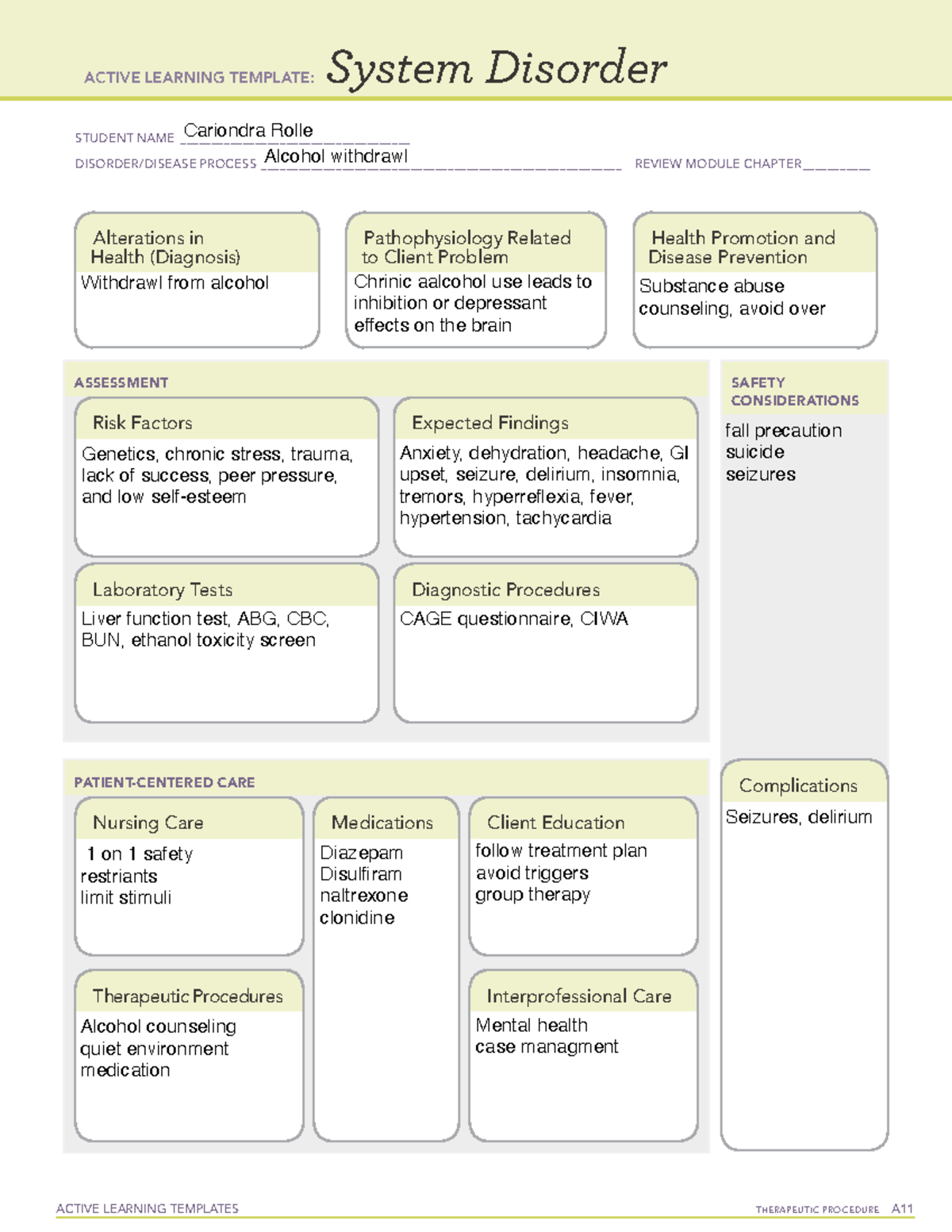
Delirium System Disorder Template prntbl.concejomunicipaldechinu.gov.co
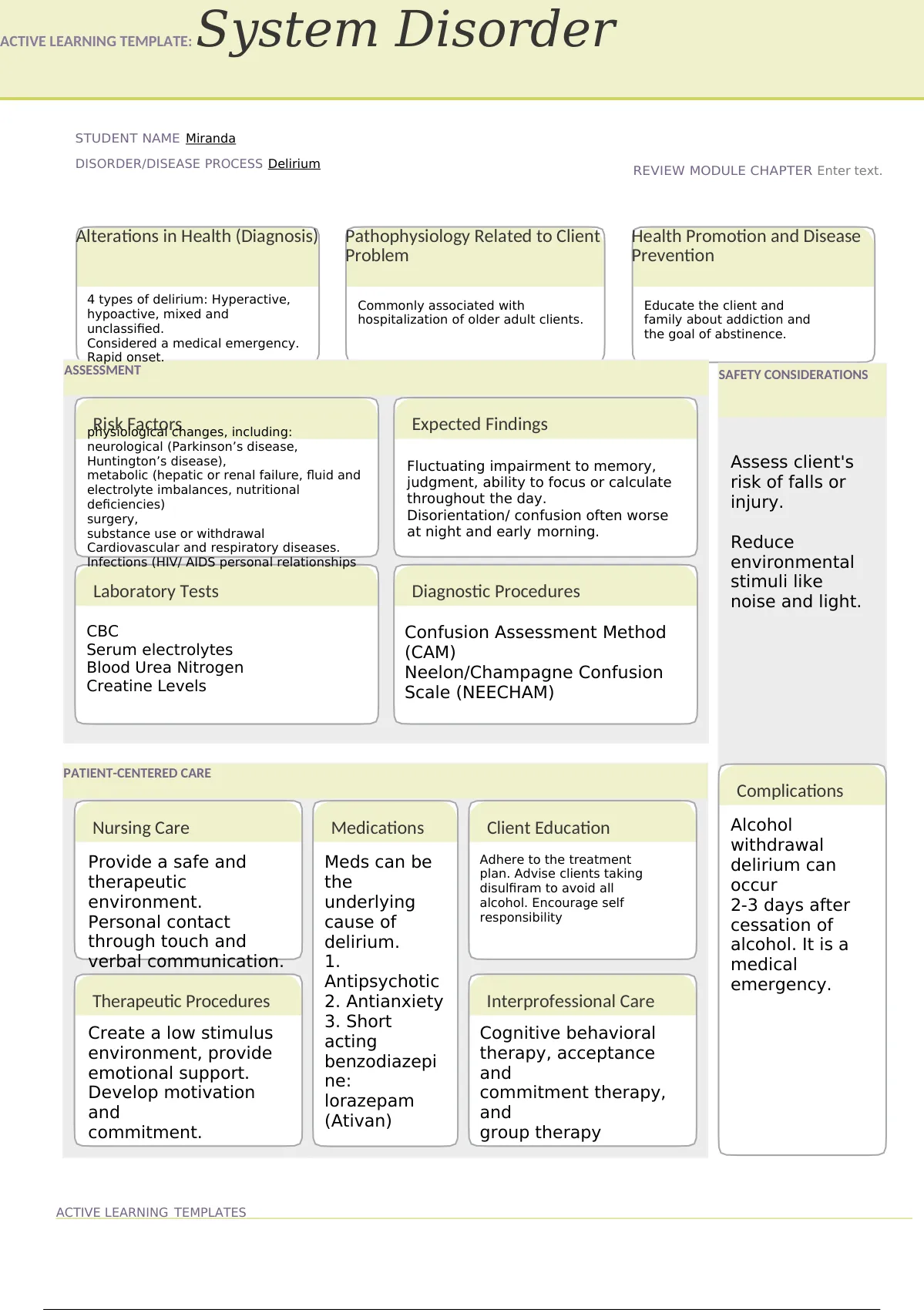
ATI System Disorder Template delirium tremens_UPDATED 2022/2023 ATI
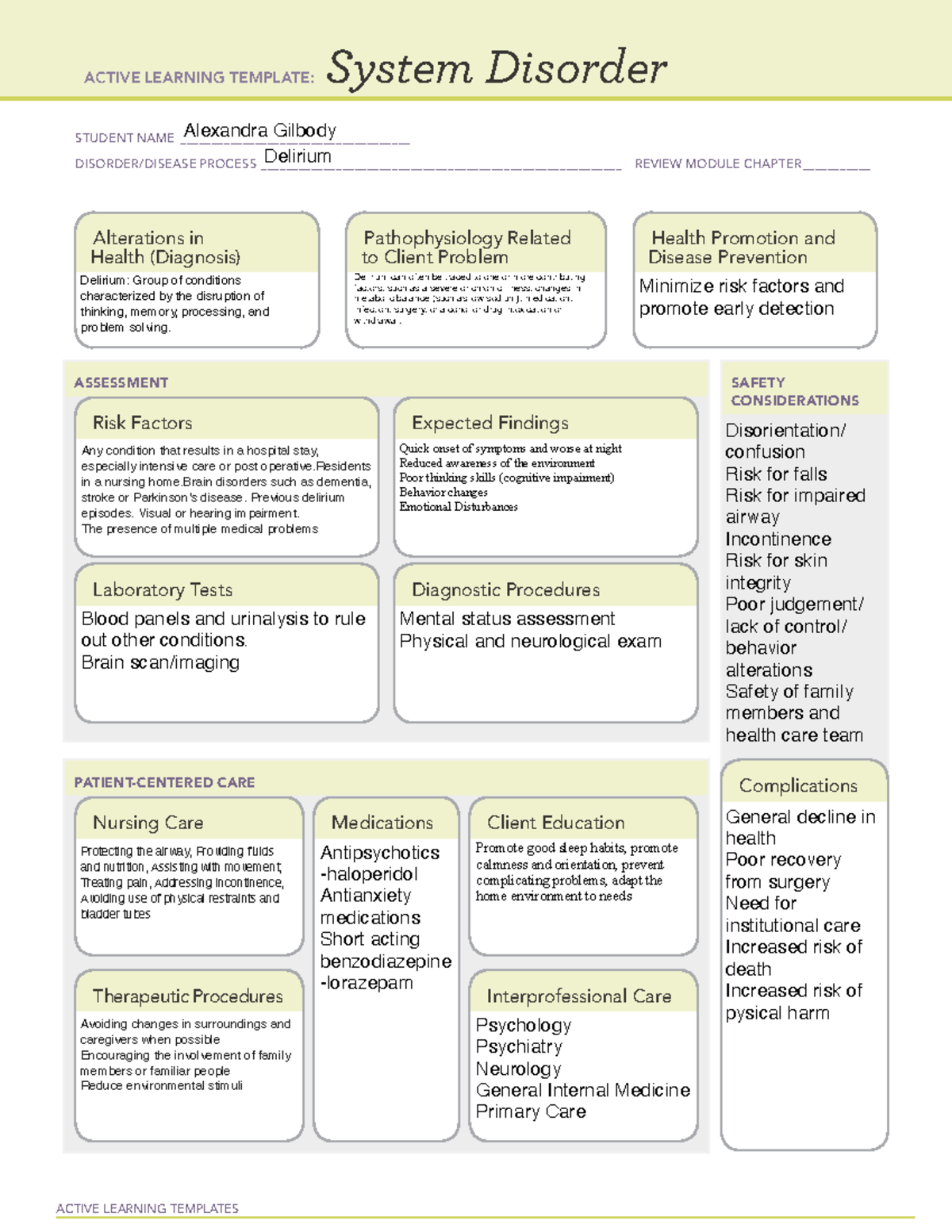
Delirium System Disorder Template
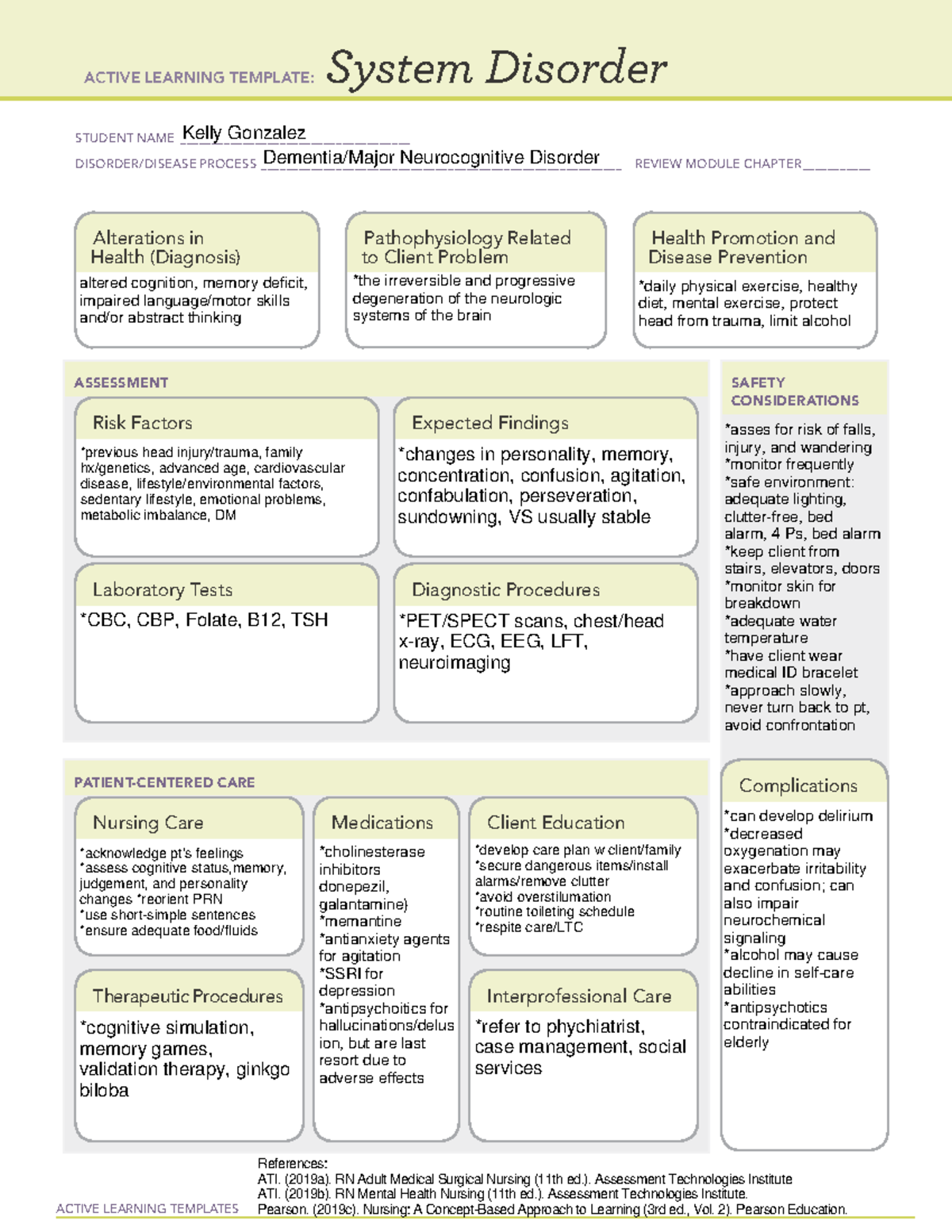
Borderline Personality Disorder System Disorder Template prntbl
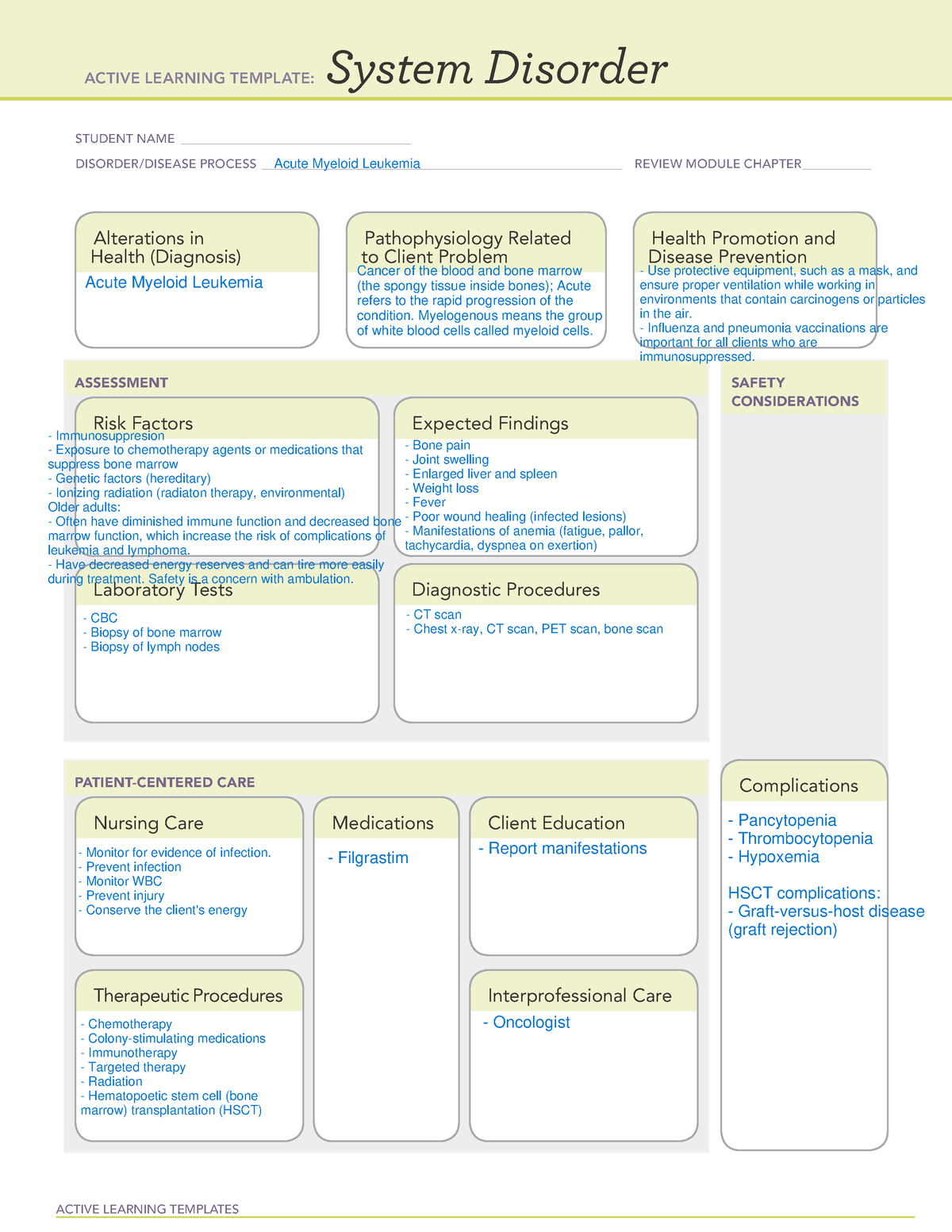
Adhd System Disorder Template
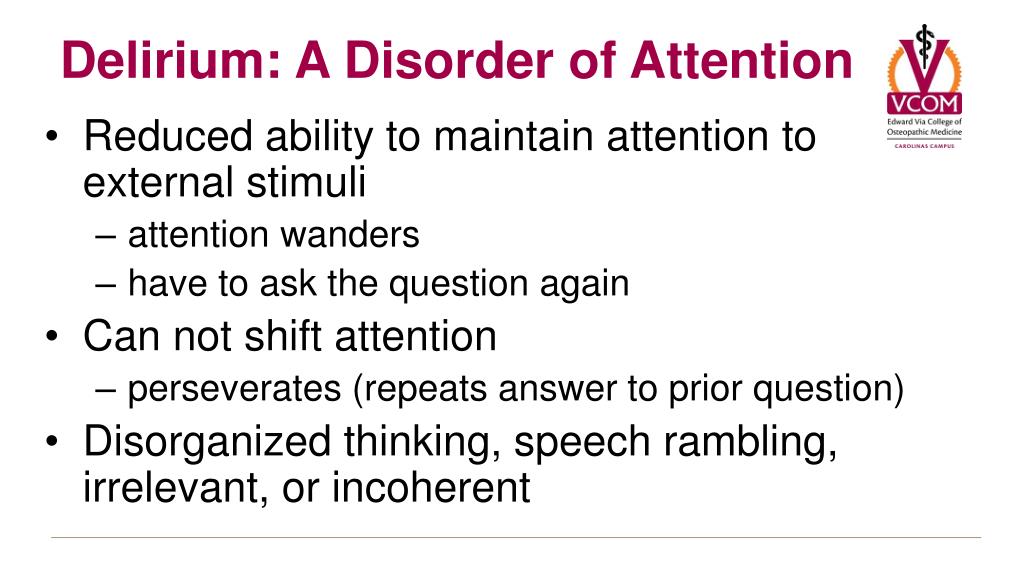
Delirium System Disorder Template

Delirium System Disorder Template Printable Word Searches
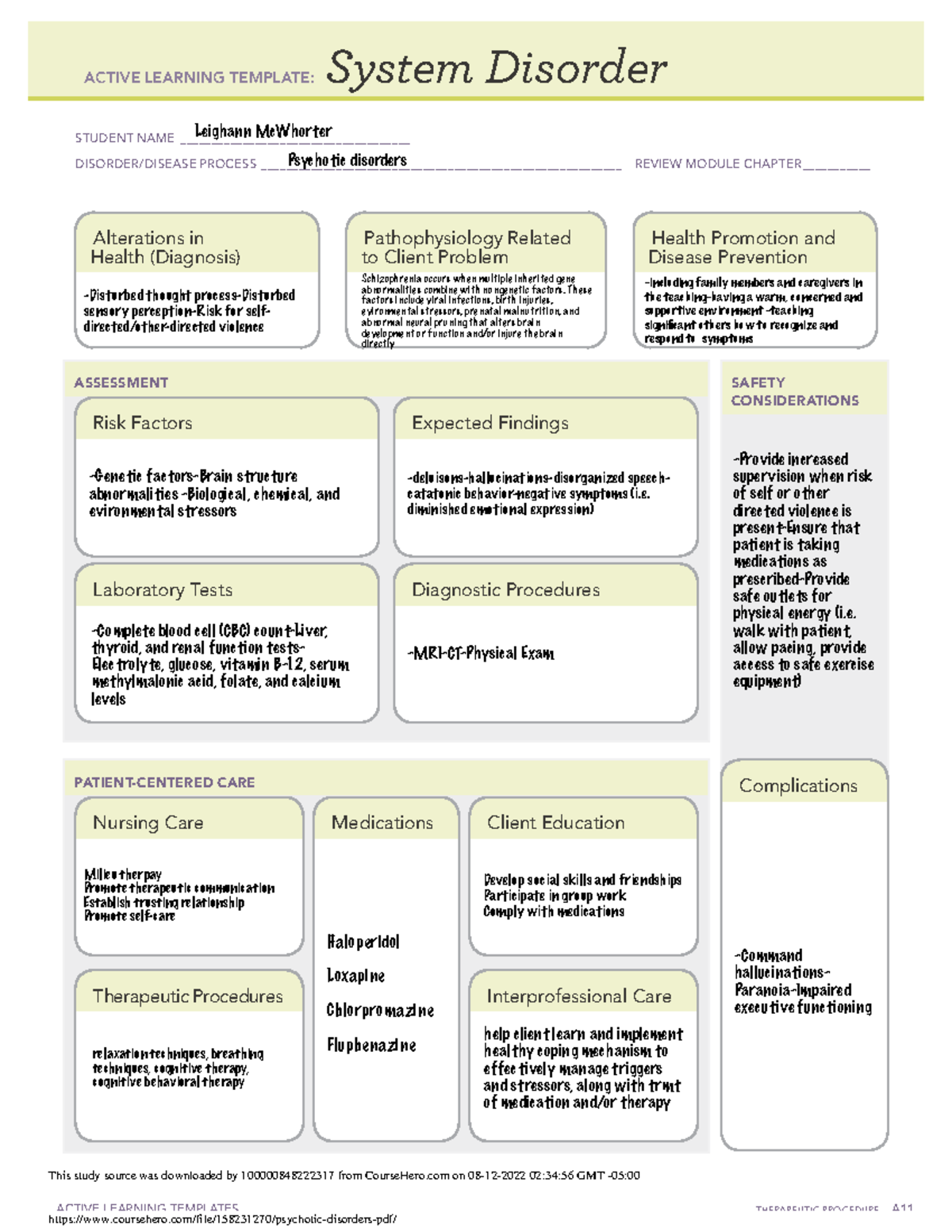
Delirium System Disorder Template prntbl.concejomunicipaldechinu.gov.co
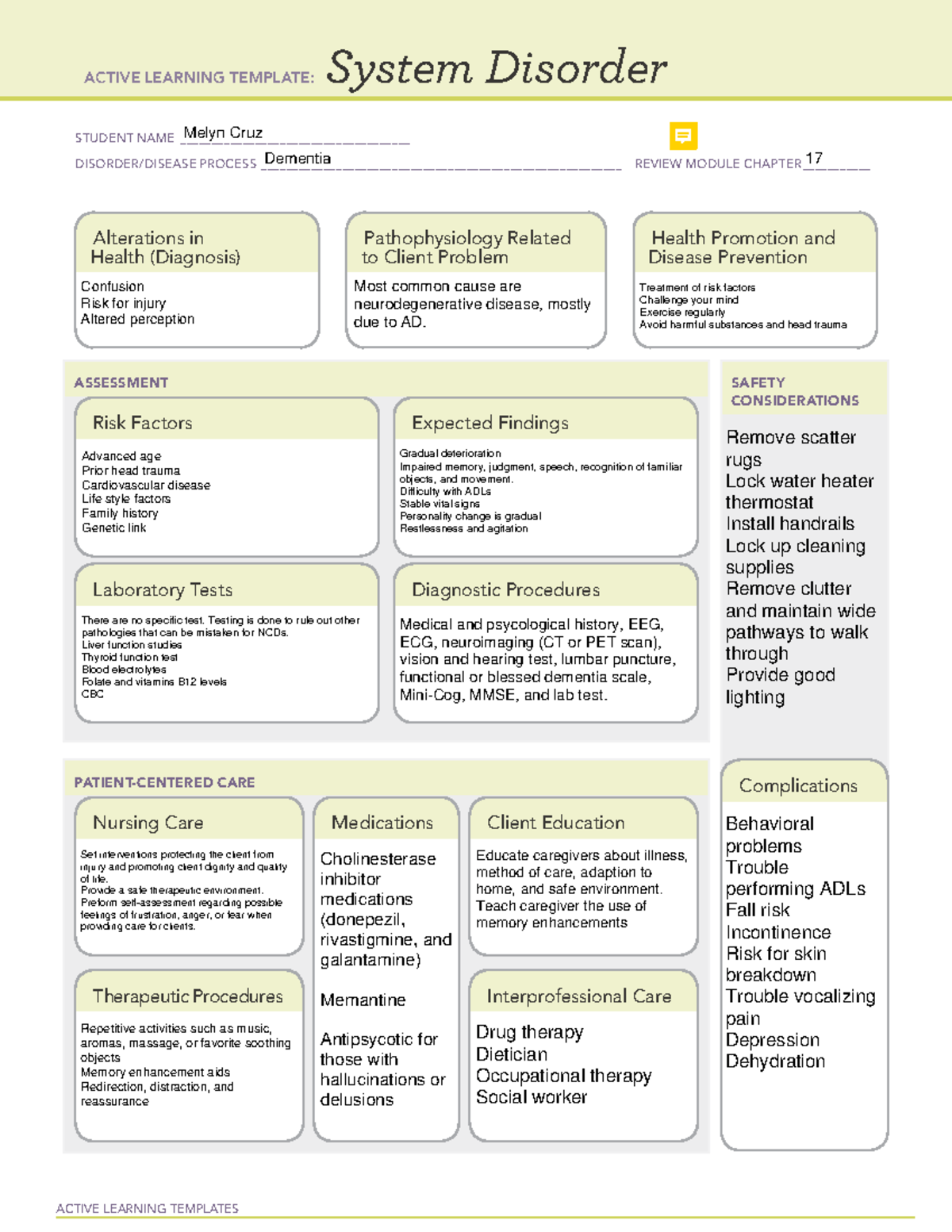
Delirium System Disorder Template prntbl.concejomunicipaldechinu.gov.co
Delirium System Disorder Template
Delirium Is A Mental State In Which You Are Confused, Disoriented, And Not Able To Think Or Remember Clearly.
Overview Delirium Is A Serious Change In Mental Abilities.
It Affects Your Thinking, Memory, Awareness And Focus.
Delirium Is An Altered State Of Consciousness, Characterized By Episodes Of Confusion, That Can Develop Over Hours Or Days.
Related Post: